Crown Gall
Agrobacterium tumefaciens (now Rhizobium radiobacter) · Bacterial
Tumor-like swellings at the base of the plant or on roots. A bacterial cancer that compromises the bush from below.
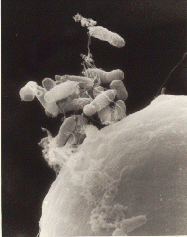
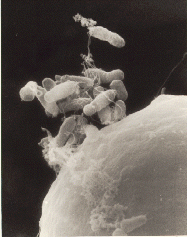
Symptoms
Rough, tumor-like swellings 1–10 cm across, typically at or just below the soil line where canes emerge. Galls start small, soft, and pale; over time they harden, darken, and become woody and cracked. New galls can also form along roots and (rarely) on canes. Plants with crown gall are stunted, off-color, and decline over years.
How it progresses
A bacterial transformation: Agrobacterium injects a plasmid that causes the plant to produce tumor tissue. Once initiated, galls grow back even if cut off. Heavy galling restricts vascular flow; the plant declines.
Conditions that favor it
The bacterium lives in soil, often for years. It enters through wounds — pruning cuts at the soil line, mower damage, frost cracks, transplant wounds. Spread on infected nursery stock and on dirty tools.
Organic & cultural treatment
There is no cure. Remove and destroy heavily affected plants and the surrounding soil to a foot deep. Disinfect pruners between every plant with 70% alcohol or 10% bleach. Galltrol (Agrobacterium radiobacter K84) is a biocontrol that protects new transplants by colonizing wounds before the pathogen can.
Chemical treatment (when warranted)
No chemical cure. Soil fumigation can be considered for replant.
Prevention
Inspect new plants — DO NOT plant any rose with a swelling at the graft union. Disinfect pruners. Avoid wounding the crown (mowers, weed whackers). Add a year of rest before replanting roses in a known-infected hole.