Downy Mildew
Peronospora sparsa · Oomycete (water mold)
A different and more dangerous disease than powdery mildew. Purple-red blotches with yellowing; rapid leaf drop in cool, wet spring weather.
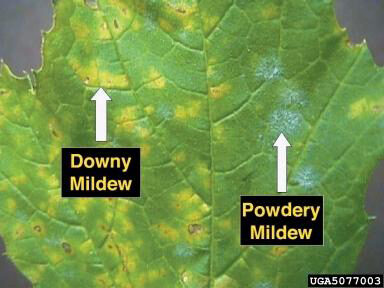
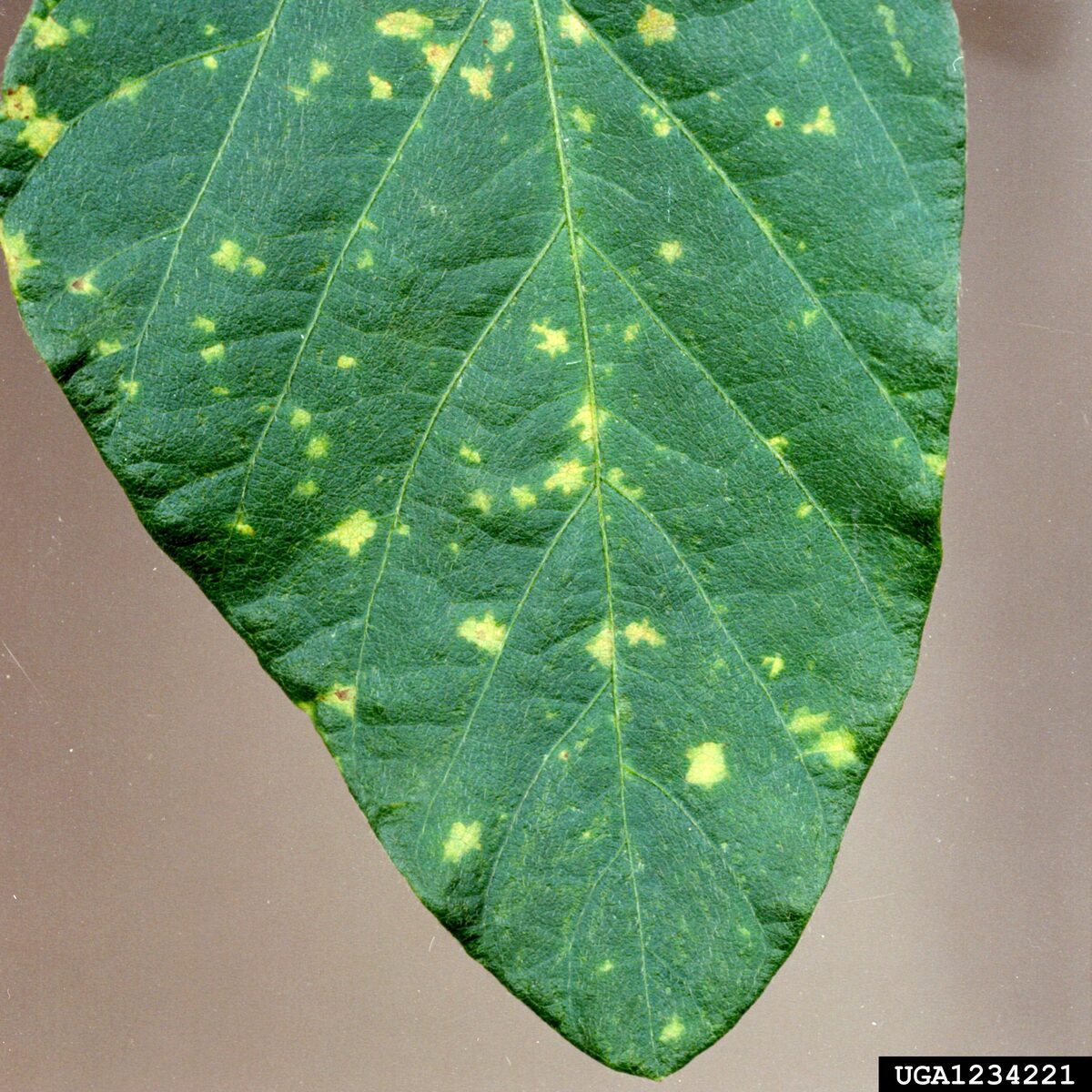
Symptoms
Irregular purple-red, brown, or black blotches on the upper leaf surface, often with sharp angular boundaries (limited by leaf veins). Faint gray-purple downy fungal growth on the underside, easiest to see in early morning when humidity is highest. Stems and pedicels can also show purple-black streaks. Leaf drop is rapid — sometimes a bush sheds half its foliage in 3 days.
How it progresses
Onset is sudden in cool wet weather; defoliation can outpace the gardener. The pathogen survives in canes — once a plant is systemically infected it tends to recur every spring.
Conditions that favor it
A water mold (oomycete), not a true fungus. Needs sustained leaf wetness (4+ hours) and cool temperatures (50–75 °F is ideal). Spring and fall in north Texas. Common after long humid spells and on roses sited where dew lingers.
Organic & cultural treatment
Improve airflow and drainage. Remove infected leaves. Copper-based fungicides offer some protection. Phosphorous acid (e.g. Agri-Fos) stimulates plant defenses against oomycetes and is the most useful organic option.
Chemical treatment (when warranted)
Mancozeb, mefenoxam (oomycete-specific), and fosetyl-Al. Rotate; downy mildew evolves resistance.
Prevention
Drip irrigation only — never overhead. Wide spacing and good pruning for airflow. In a wet year, preventive phosphorous acid sprays in March and September. Quarantine new plants — downy mildew is often introduced on nursery stock.