Phytophthora Root Rot
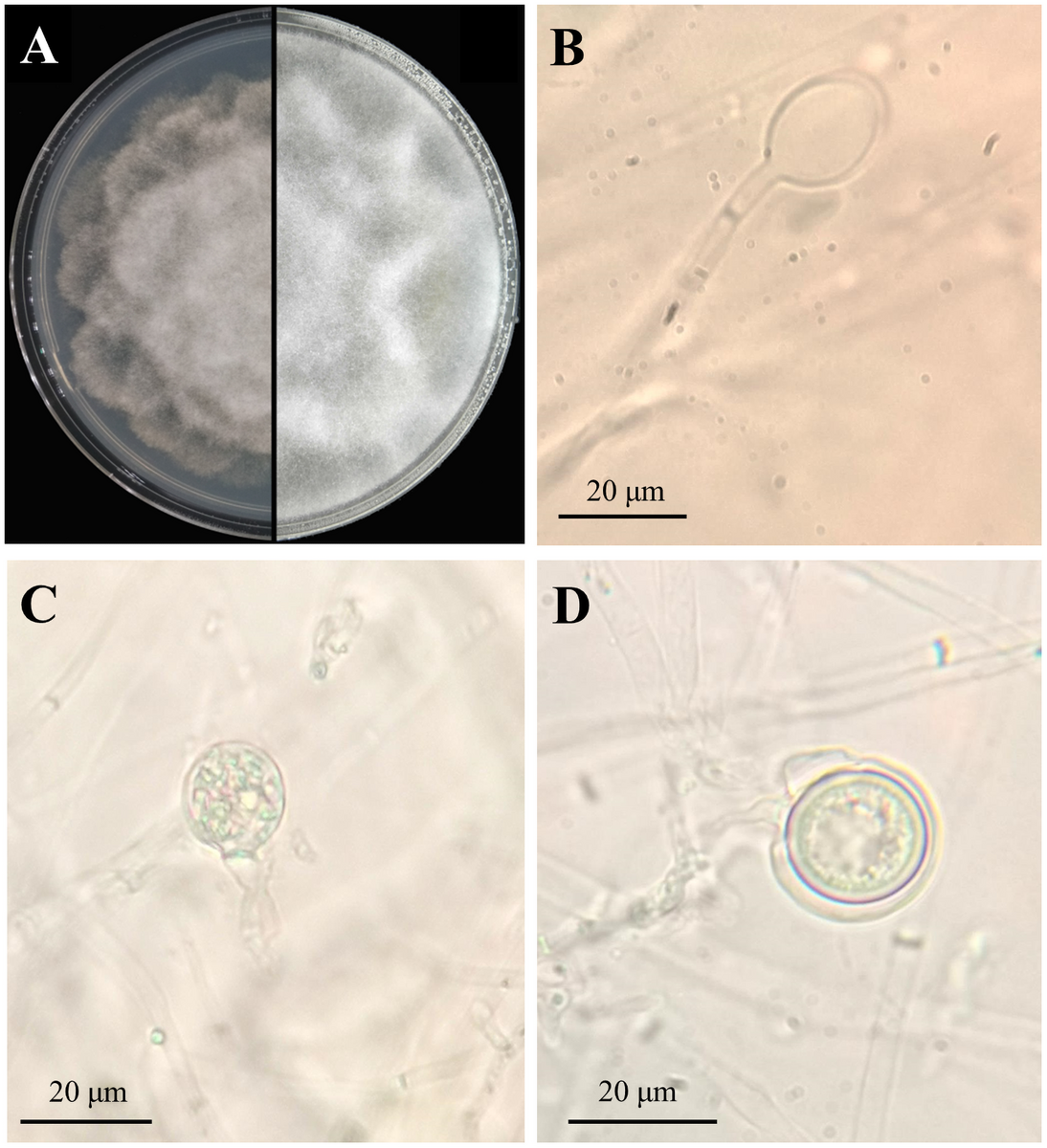
Phytophthora spp. (often P. cactorum, P. cinnamomi) · Oomycete (water mold)
A water-mold root rot that kills roses in poorly drained soil. Sudden wilt and decline in spite of "plenty of water".
Symptoms
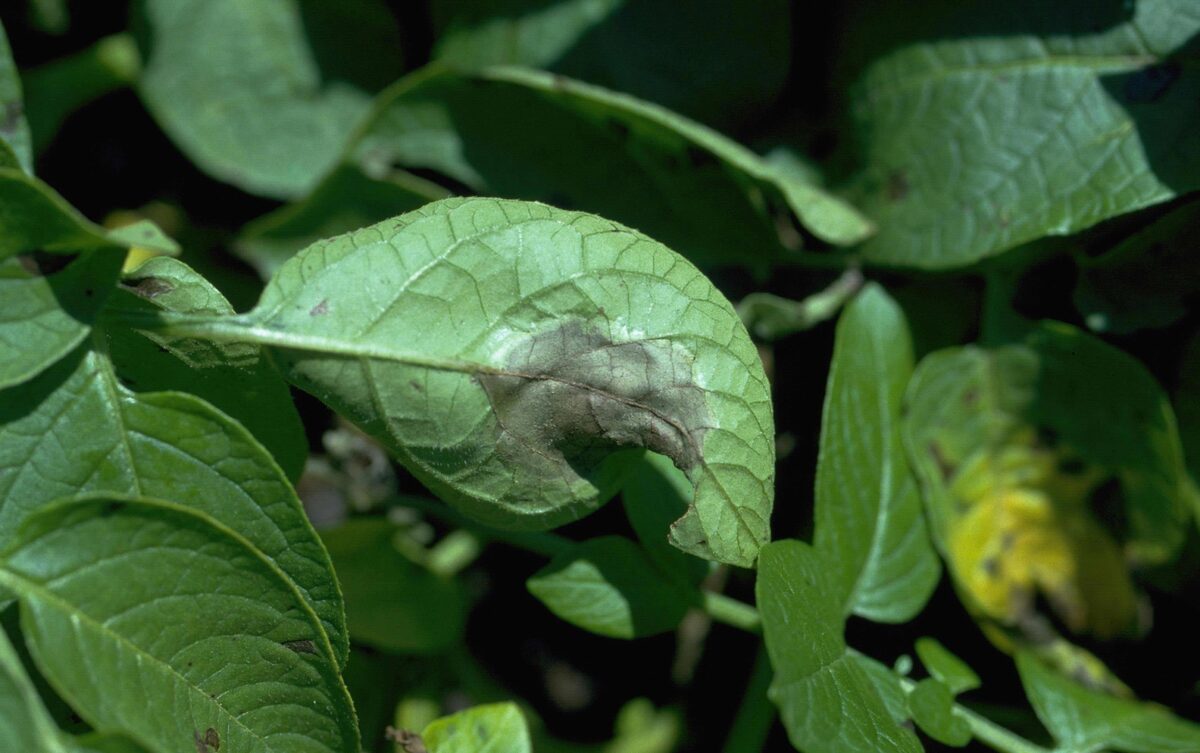
Sudden wilt that does not respond to watering; leaves yellow and brown from below; bark at the base of the plant is dark and water-soaked, sometimes with a sour smell. Roots are blackened and slough off the white woody core when pulled. New growth is stunted with small chlorotic leaves.
How it progresses
Roots and crown rot, vascular flow shuts down, plant collapses. Warm wet soils accelerate. The 2nd and 3rd years after a wet winter are typical onset.
Conditions that favor it
Water molds (oomycetes), not fungi. Need free water in soil — they swim. Common in heavy clay, low spots, irrigated beds with poor drainage. Texas clay is a perfect breeding ground.
Organic & cultural treatment
Improve drainage immediately — raise beds, add coarse compost, redirect downspouts. Phosphorous acid (e.g. Agri-Fos) drench stimulates plant defenses and can save mildly affected plants. Replace soil and replant in raised beds.
Chemical treatment (when warranted)
Mefenoxam soil drench. Fosetyl-Al. Both are most effective as preventives.
Prevention
Plant in raised beds or amended soil — never in low spots. 2-inch mulch but never piled against the bud union. Use moisture meters; wet feet kill roses faster than dry. Choose Phytophthora-resistant rootstocks ('Fortuniana', 'Multiflora') in problem soils.