Rose Mosaic Virus Complex
Prunus Necrotic Ringspot Virus (PNRSV); Apple Mosaic Virus (ApMV); others · Viral
Yellow patterning on leaves — rings, oak-leaf shapes, or yellow veins — that varies with weather. Once present, it is permanent.
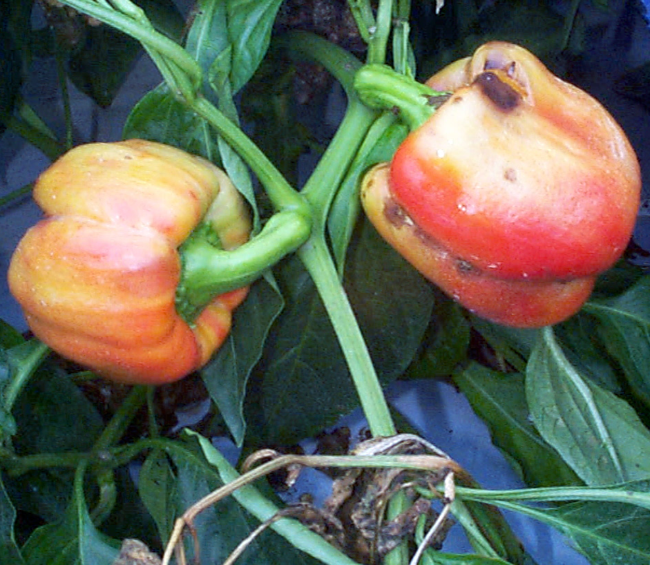
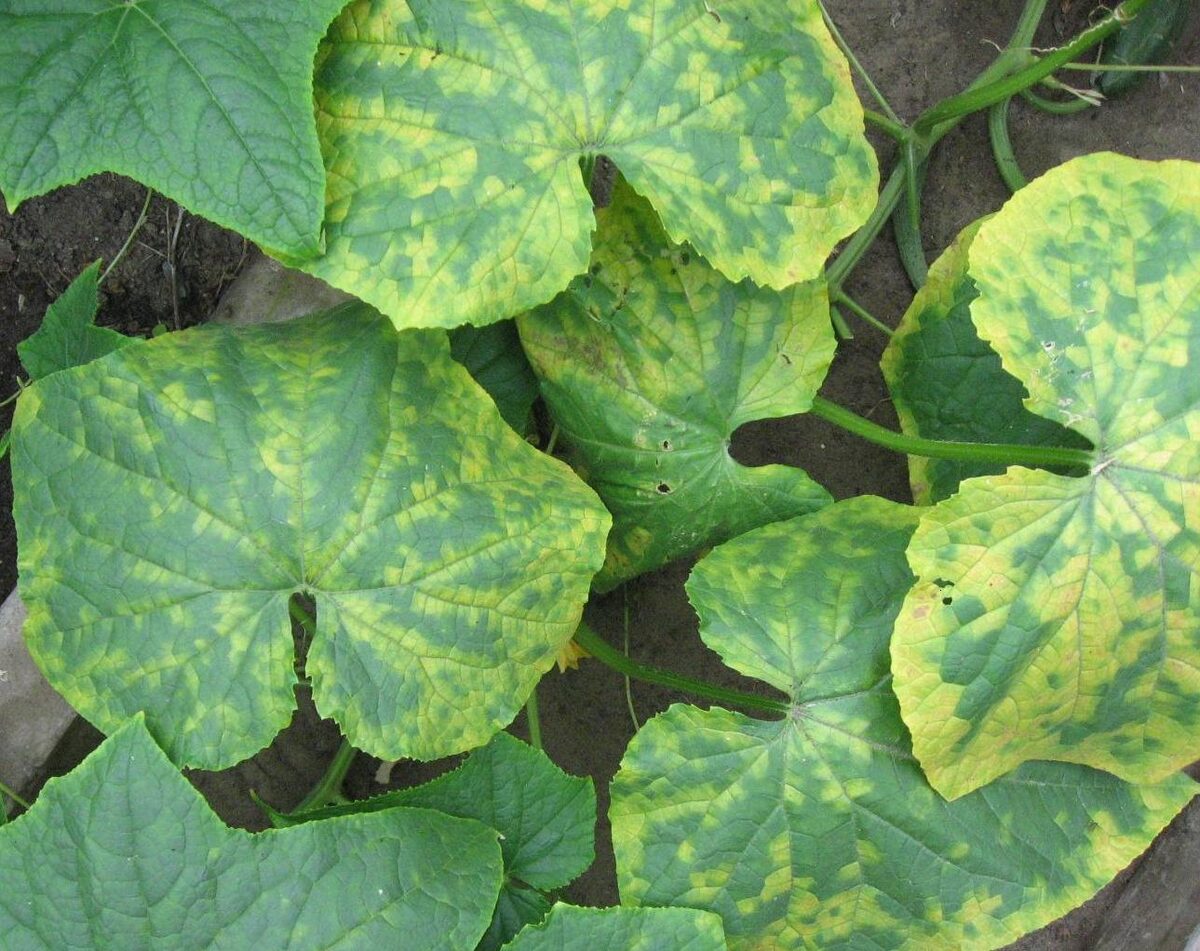
Symptoms
Diagnostic patterns include yellow oak-leaf-shaped patches, ring spots, line patterns, and yellow vein-banding. Symptoms are most visible in cool weather (spring, fall) and may disappear in heat. Some plants show no symptoms but still test positive. Affected bushes are often slightly weaker and slightly less floriferous, but rarely die.
How it progresses
Once a plant has rose mosaic it has it for life. Some plants live productively for decades with mild symptoms; others decline.
Conditions that favor it
Spread almost exclusively through grafting (not by insects, not by tools, not by pollen). The virus came in on the rootstock or budwood at the nursery. It does NOT spread plant-to-plant in the garden.
Organic & cultural treatment
There is no cure. Decide whether to keep the plant or replace; mild cases coexist fine. Heat therapy (38 °C for 4 weeks) can clean stock at specialized labs.
Chemical treatment (when warranted)
No chemical control.
Prevention
Buy roses certified virus-free (some nurseries indicate this; ask). Inspect grafted roses at purchase — leaf yellowing in early spring is a giveaway.