Rose Rosette Disease
Rose Rosette Virus (Emaravirus); vectored by the eriophyid mite Phyllocoptes fructiphilus · Viral
The most serious rose disease in North America. Distorted growth, witches' broom, hyper-thorny canes. Currently no cure — infected plants must be removed.
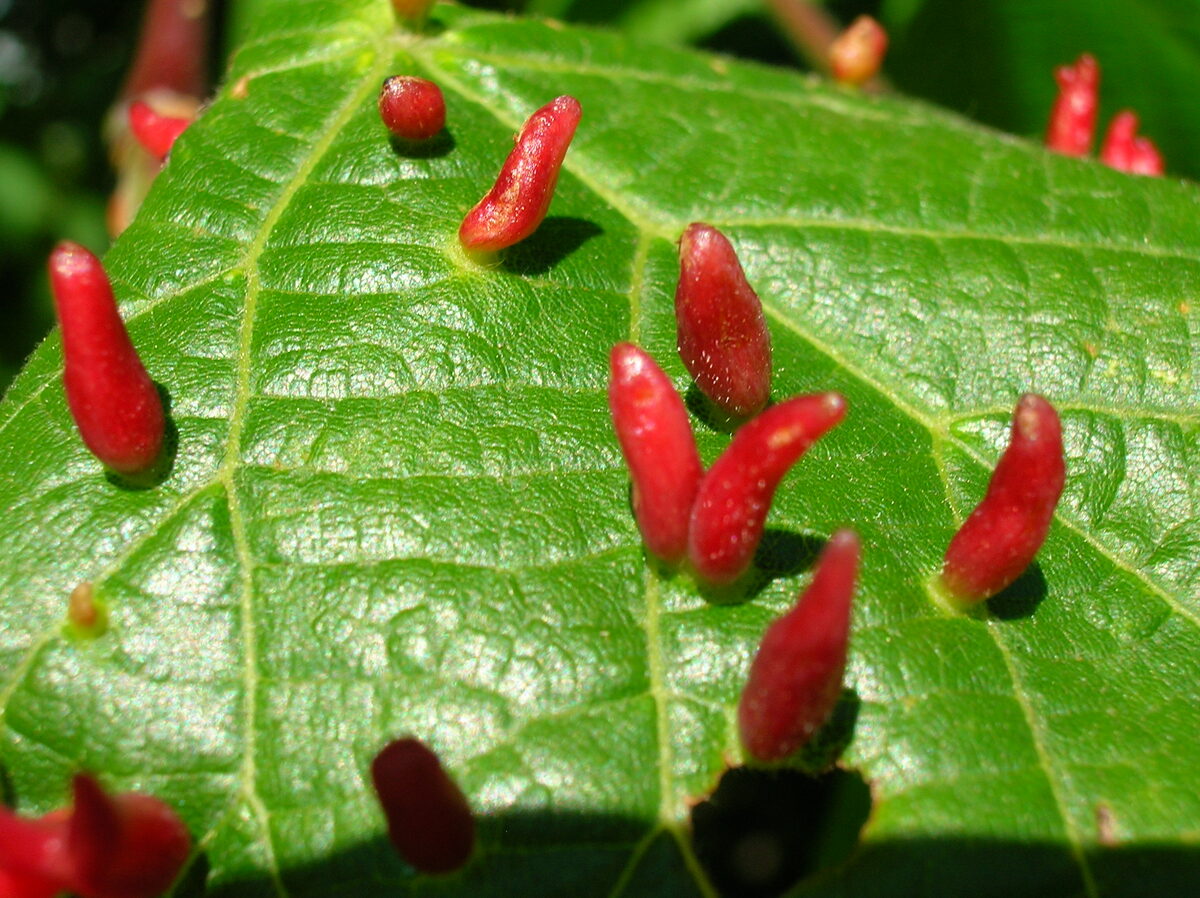
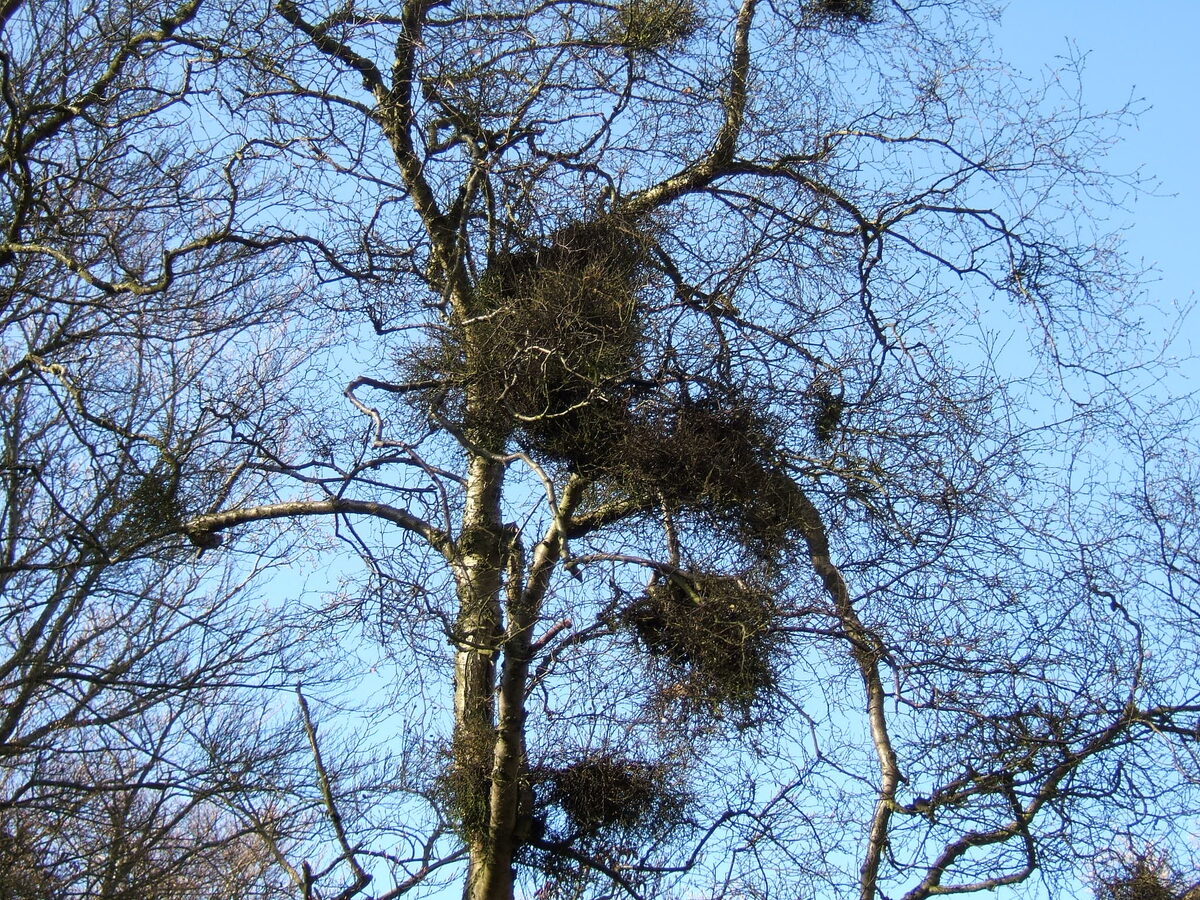
Symptoms
A constellation of symptoms, any one of which is suspicious: bright red, rapidly growing new shoots that stay red instead of greening; clusters of distorted small leaves at shoot tips ("witches' broom"); a marked increase in thorns — sometimes 5–10x normal density, with thorns soft and pliable; leaves with strap-like, narrow, malformed shapes; flowers that open mottled, distorted, or aborted. Affected canes may grow to grotesque thickness.
How it progresses
Symptoms begin on a single cane and spread systemically through the plant over months. Once symptoms appear, decline is irreversible — the plant is dead within 2 years and shedding mites the entire time. Knock Out and other shrub roses are NOT immune; they often hide early symptoms.
Conditions that favor it
The virus is spread by a tiny eriophyid mite (Phyllocoptes fructiphilus), 0.15 mm — invisible to the naked eye. Mites blow on the wind from infected plants up to several hundred feet. Multiflora rose (the invasive wild rose along Texas roadsides) is a major reservoir. Once a plant is infected, mite numbers explode and the plant becomes a source for the entire neighborhood.
Organic & cultural treatment
There is no cure. The only effective response is to dig out the entire plant — root and all — bag it, and dispose in landfill (not compost). Replant the same hole only after a 6-month rest, ideally with a non-rose for a year. Aggressive miticide programs (sulfur, abamectin) on uninfected neighboring roses can slow spread but do not save infected plants.
Chemical treatment (when warranted)
No chemical cures the virus. Miticides delay vector spread.
Prevention
Survey roses every 2 weeks in growing season. Remove suspicious canes immediately and submit a sample to the county extension. Eradicate any multiflora rose within 100 yards of your garden. Avoid planting roses immediately downwind of wild rose stands. New plantings should come from reputable, virus-tested sources.