Verticillium Wilt
Verticillium dahliae · Fungal
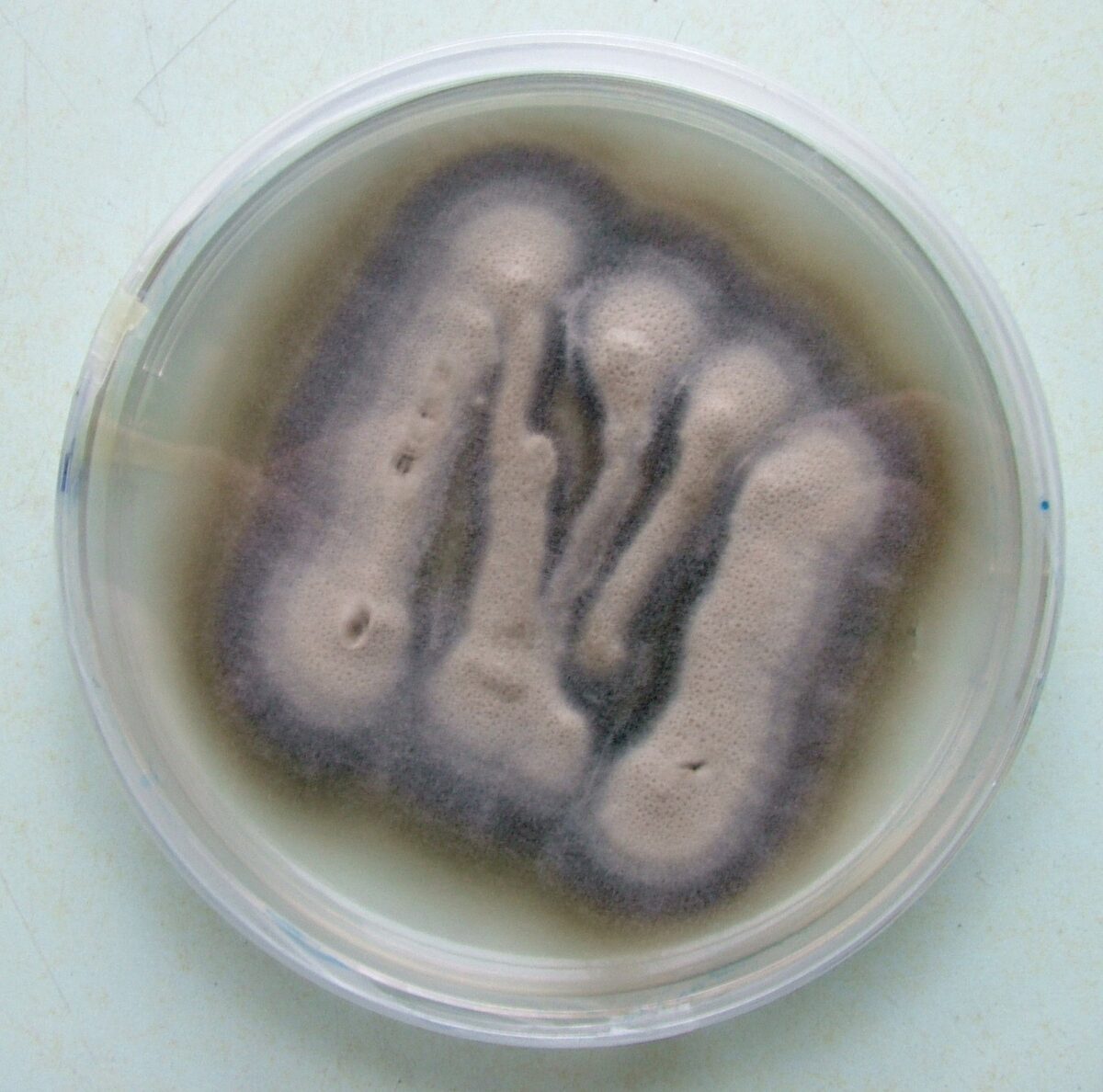
A soil-borne fungus that clogs the vascular system. Sudden one-sided wilt on a hot day; brown streaking inside cut canes.
Symptoms
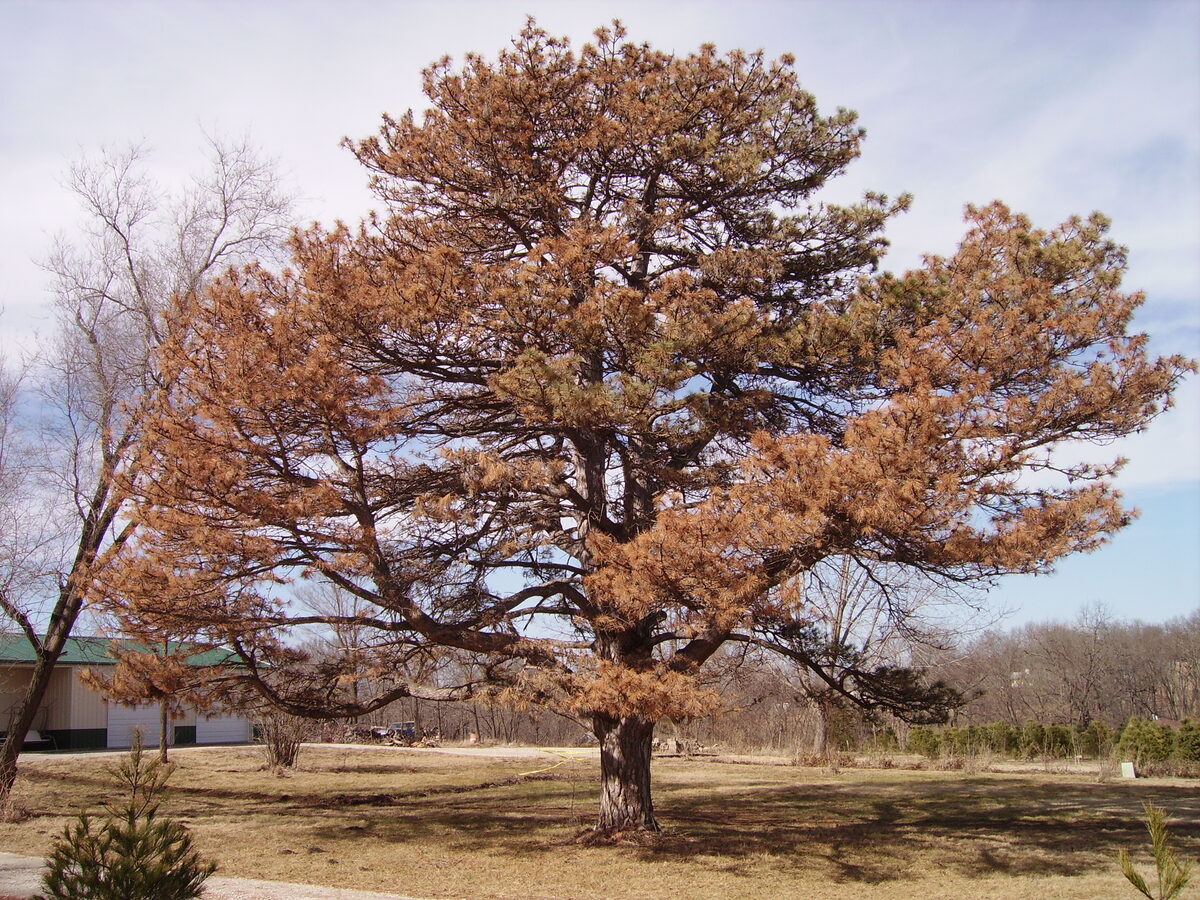
Wilting that affects part of a bush — often one cane or one side — on hot afternoons. Leaves yellow from the base upward and drop, often without fully browning. Cut a wilted cane lengthwise: brown streaks along the vascular tissue (just inside the bark) are diagnostic.
How it progresses
The fungus invades roots, grows up the xylem, and plugs vessels. Wilt comes and goes with weather. Bushes can struggle along for years or collapse in a season. No reliable cure once established.
Conditions that favor it
Soil-borne; survives in soil for 8–10 years even without a host. Common after planting roses in soil that grew tomatoes, eggplants, peppers, strawberries, or cotton — all major Verticillium hosts.
Organic & cultural treatment
No fungicide cures vascular wilt. Solarize affected soil under clear plastic in midsummer for 6–8 weeks (Texas summer is perfect for this). Soil amendments with mustard meal can suppress populations. Replant resistant cultivars.
Chemical treatment (when warranted)
Soil fumigation possible but rarely warranted on a backyard scale.
Prevention
Avoid planting roses where Solanaceae or strawberries grew recently. Buy roses on Verticillium-resistant rootstocks ('Dr. Huey' is moderately resistant; 'Fortuniana' is excellent in warm climates). Maintain plant vigor.