Rose Cane Borers
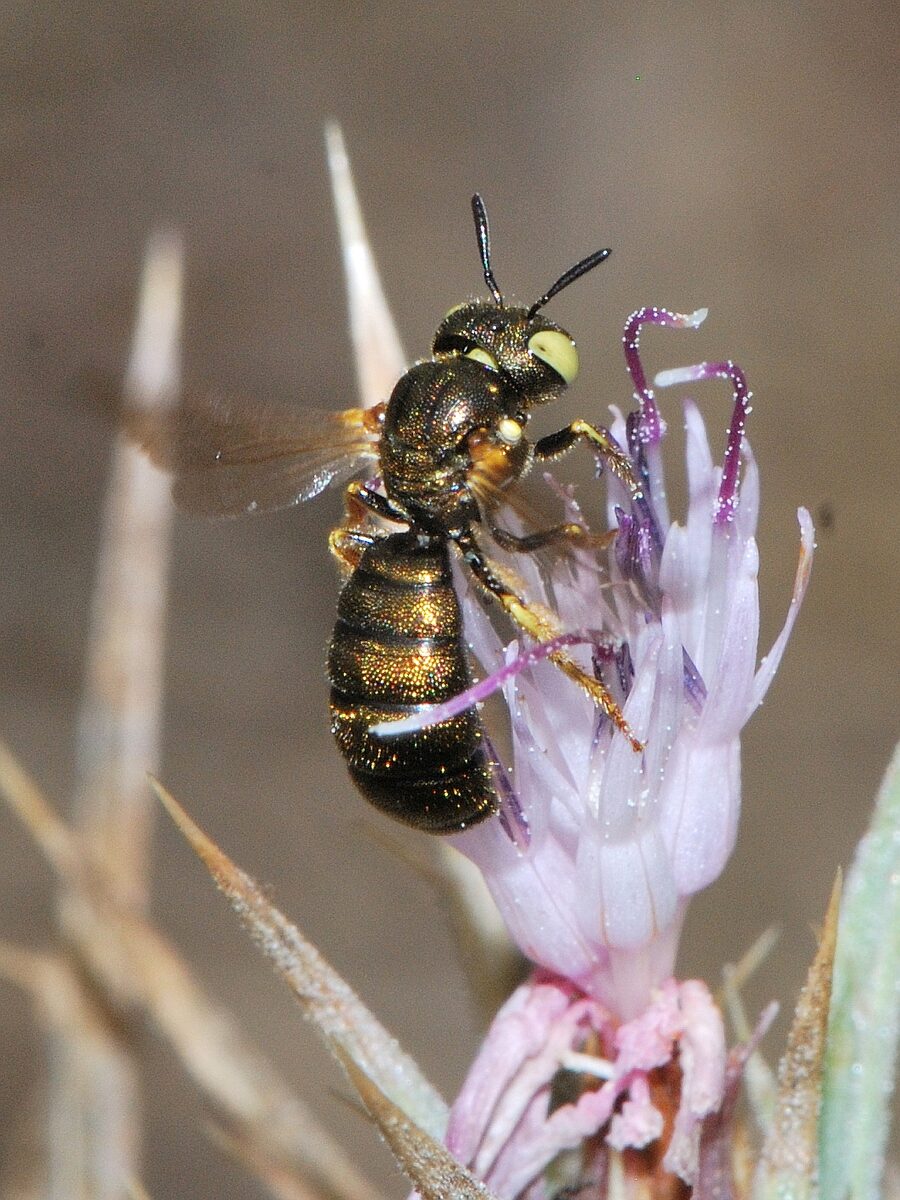
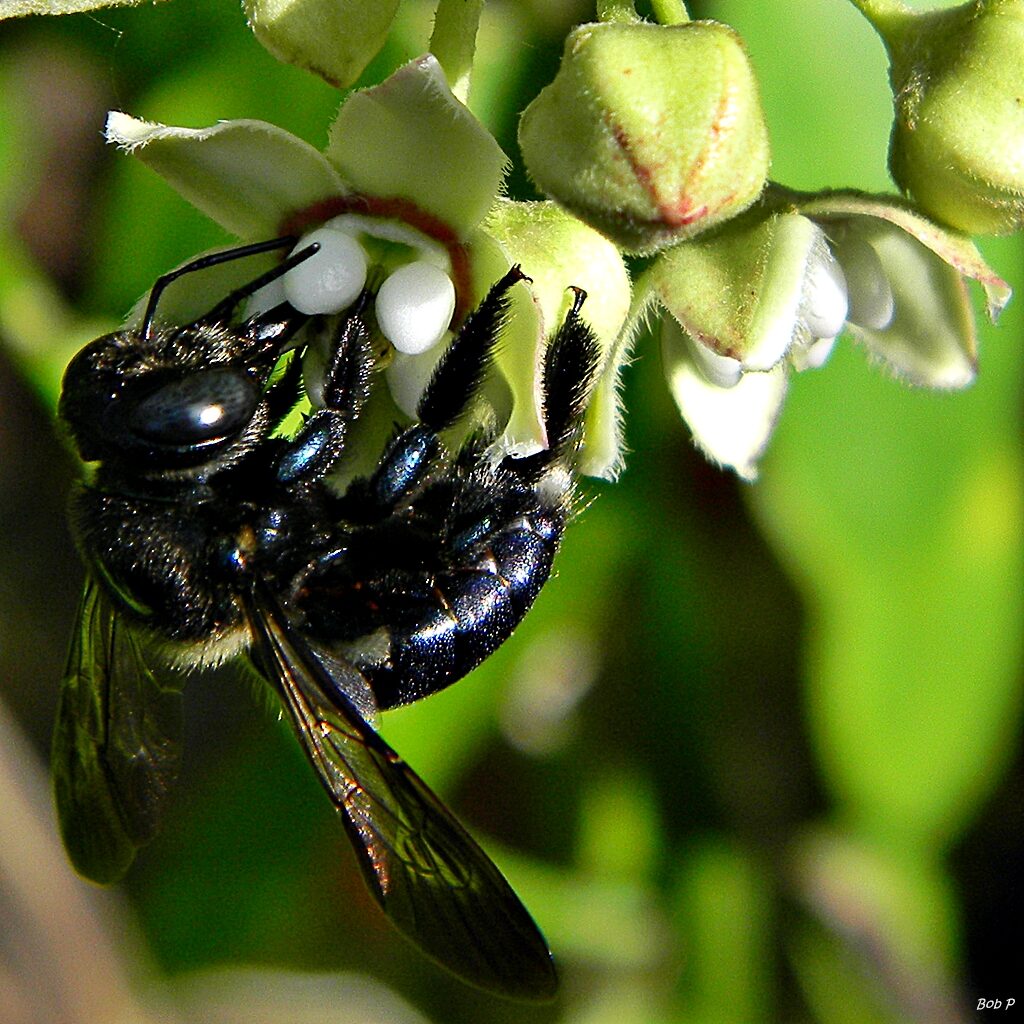
Several wasps & sawflies; e.g. Hartigia trimaculata; small carpenter bees
Pith-eating insects that tunnel down the center of cut canes. The classic sign: a hole in the middle of every pruning cut.
How to identify it
You will rarely see the insect itself. The diagnostic sign is a small (1–3 mm) round hole in the center of a cut cane, sometimes with brown frass beside it. Affected canes wilt suddenly above the boring point — a single cane may flag and droop while others are fine. Several species cause similar damage: small carpenter bees, leafcutter bees, sawfly larvae, and stem-boring wasps.
What the damage looks like
Tunneling kills the cane above the entry. Loss is usually limited to one or two canes per bush — annoying but not lethal. Heavy populations weaken bush structure over years.
Life cycle
Most species lay eggs in fresh pruning cuts in spring. Larvae tunnel down 2–6 inches, pupate, and emerge as adults the following spring. One generation a year.
Monitoring
After pruning, glance at every cut a week later for new holes.
Organic & cultural treatment
Seal pruning cuts with a dab of white glue (Elmer's) or shellac on canes wider than a pencil — physical exclusion is the only reliable control. Cut affected canes back to clean white pith, 1–2 inches below the dieback.
Chemical treatment (when warranted)
Not warranted for a pest at this scale.
Prevention
Time pruning to dry weather and seal large cuts. Avoid summer pruning during flight.