Rose Leafhopper
Edwardsiana rosae
Slender, fast-moving white-yellow insects that scatter when you brush a cane. Their feeding speckles leaves and they vector phytoplasma diseases.
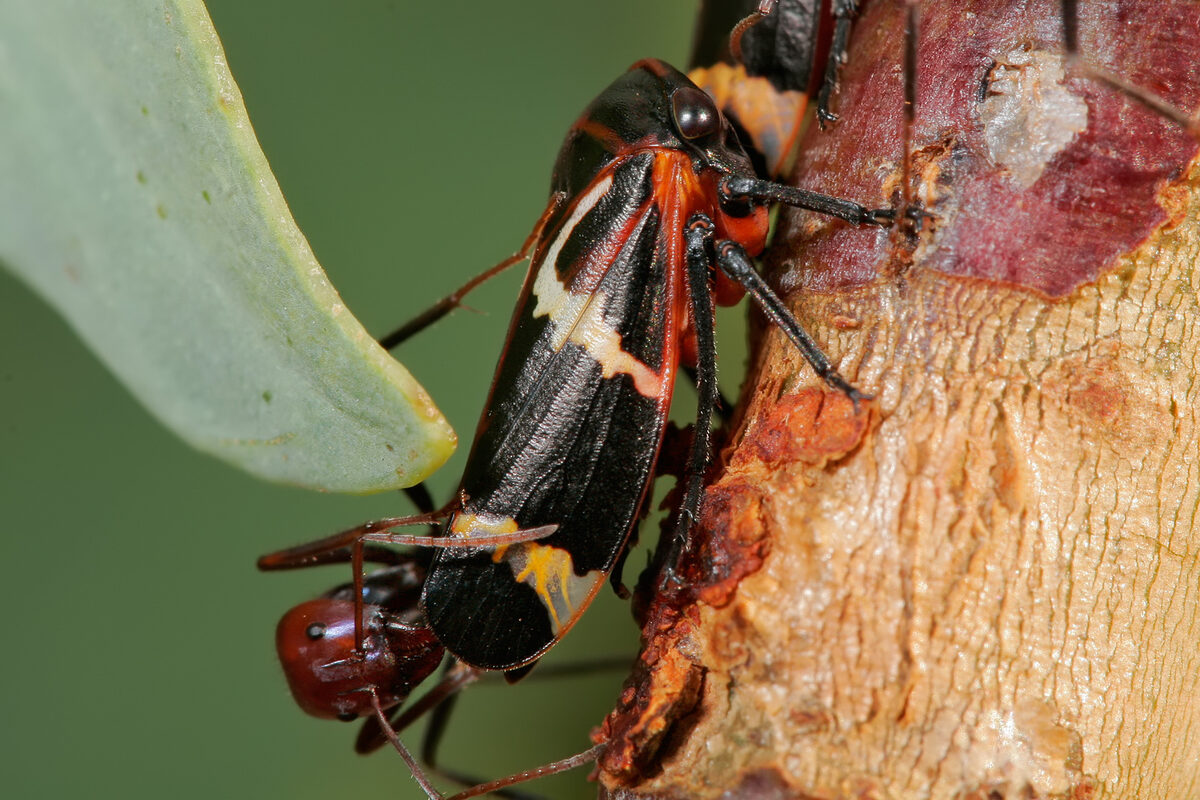
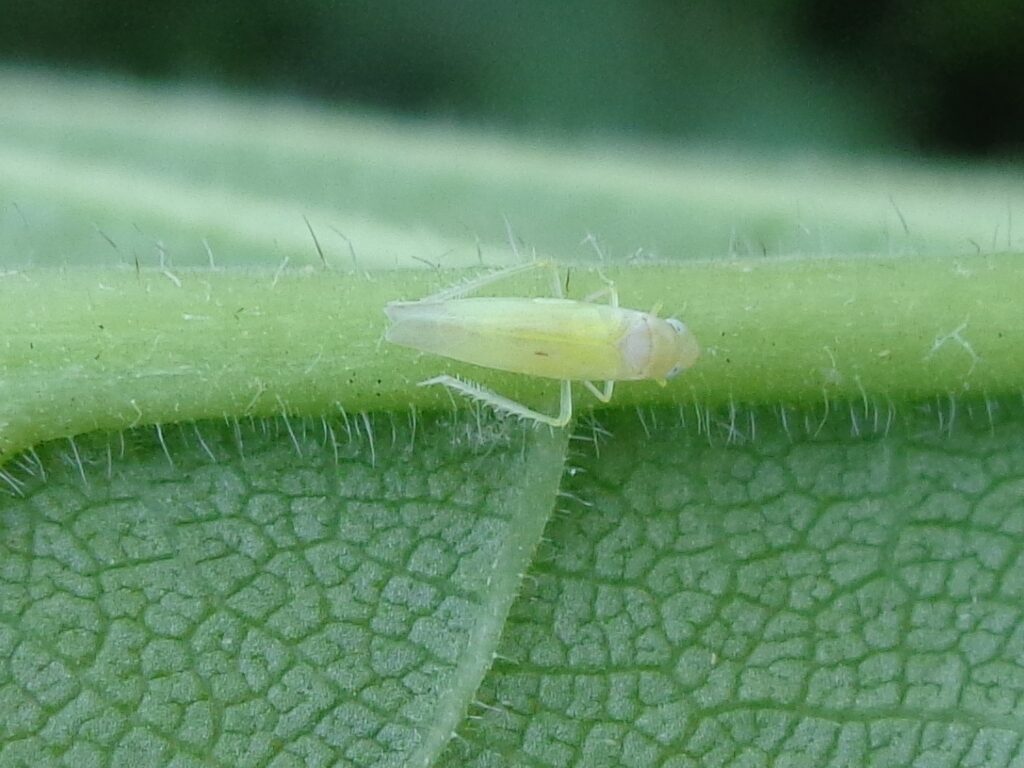
How to identify it
Adults are 3–4 mm, pale yellow to whitish with iridescent wings folded tent-like over the body. They walk sideways, jump forward, and fly when disturbed — characteristic. Nymphs are wingless, pale, and walk sideways too. Cast skins are visible on leaf undersides. Stippling on the upper leaf surface looks similar to mite damage but is coarser.
What the damage looks like
Pale stippling all over leaves, with affected leaves turning chlorotic and dropping in heavy infestations. Leafhoppers vector several phytoplasmas (rose witches' broom-type symptoms) which are far more serious than the cosmetic feeding damage. They prefer roses growing near fruit trees and brambles.
Life cycle
Eggs overwinter under bark; nymphs hatch in April and feed for 3–4 weeks before molting to adults. Two to three generations a season in zone 8.
Monitoring
Brush canes lightly and watch for the scatter. White cast skins on leaf undersides confirm.
Organic & cultural treatment
Strong water sprays from below dislodge nymphs. Insecticidal soap on nymphs only (adults fly off). Encourage spiders, lacewings, and predatory bugs.
Chemical treatment (when warranted)
Pyrethroids on adults — but flare mites and aphids. Spinosad is gentler.
Prevention
Manage weeds — leafhoppers move from grasses and brambles into roses. Remove suckering wild roses near the garden; they are reservoirs.