Rose Midge
Dasineura rhodophaga
A tiny fly whose larvae kill rose buds before they open. The classic symptom: every new bud blackens and falls off.
How to identify it
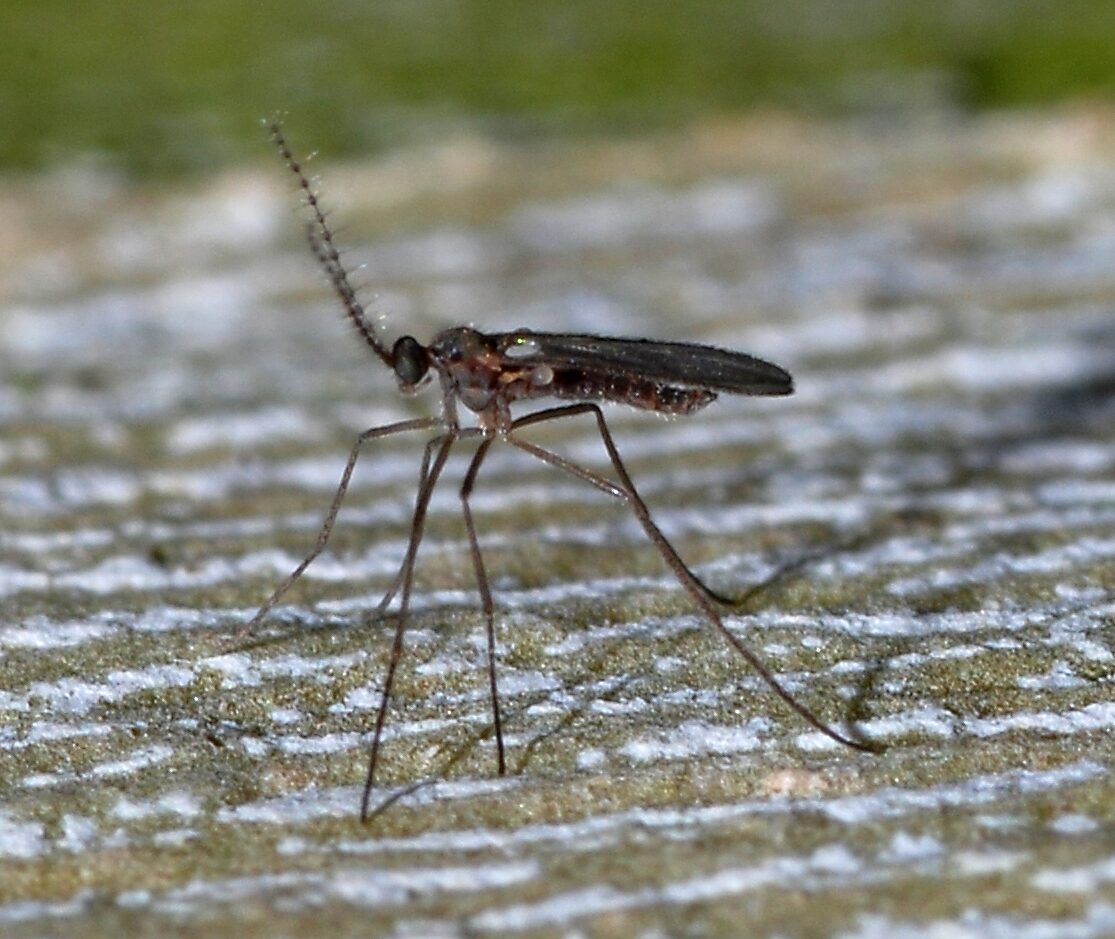
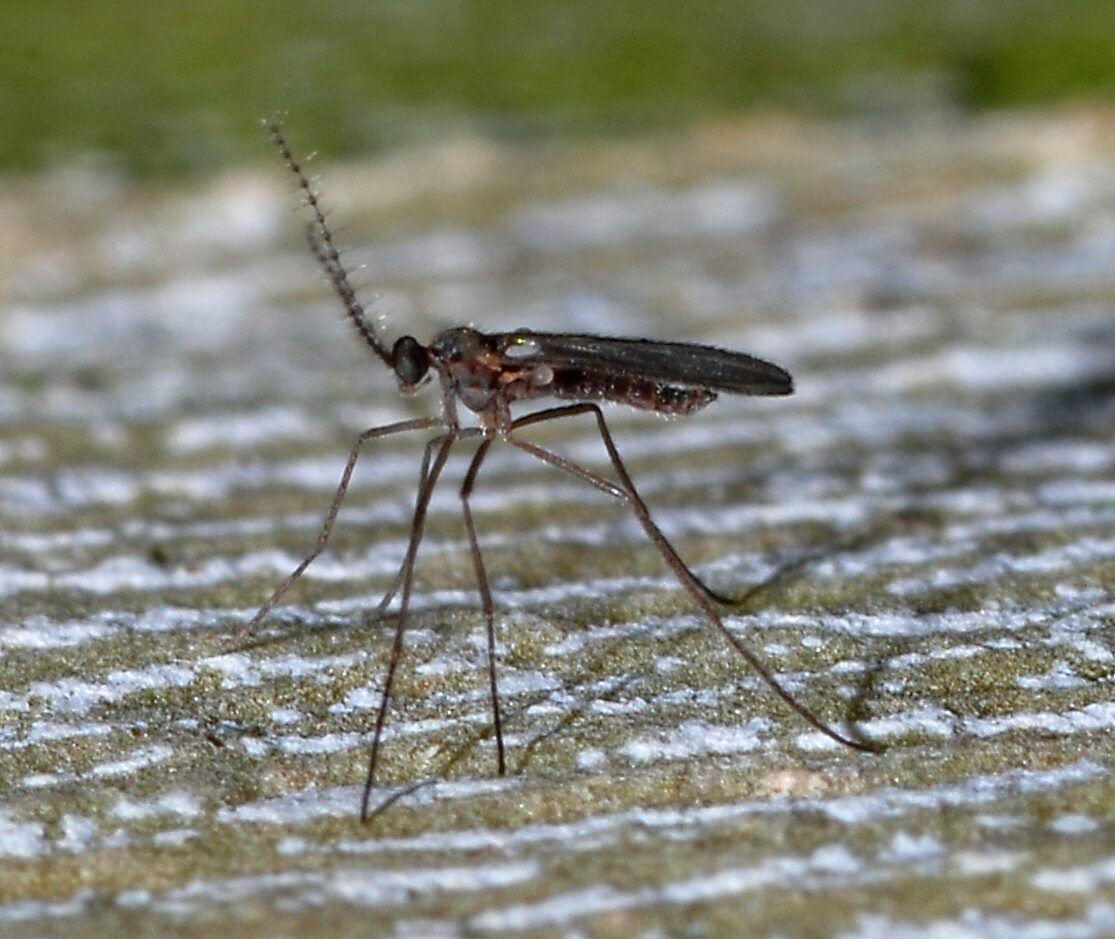
Adults are tiny, fragile, brown-yellow midges 1.5 mm long — almost never seen. Larvae are pale yellow-orange, 1–2 mm, found inside collapsed buds and at the base of new shoot tips when you slice them open. Diagnosis is usually by symptom: clusters of new buds turn black, shrivel, or hook downward and never open, sometimes the whole shoot tip dies and turns black.
What the damage looks like
Larvae feed on developing flower buds, sepals, and shoot tips. The growing point dies; affected canes branch awkwardly and produce no flowers from that node. Severe infestations end the bloom flush entirely. This is the pest most likely to make an experienced grower throw their hands up.
Life cycle
Multivoltine — many overlapping generations, each cycle ~14–18 days in summer. Females lay eggs in unopened buds; larvae feed for 5–7 days, drop to the soil to pupate; adults emerge to lay again. Populations build through summer and peak in August–September.
Monitoring
Inspect new buds at the apex of every flush. A blackened cluster of pinhead buds is diagnostic. Yellow sticky cards just above bud height catch a few adults — useful confirmation.
Organic & cultural treatment
Remove and destroy every blackened bud and tip — bag and trash, do not compost. Mulch the soil under bushes 3–4 inches deep with bark or leaves; crushed cocoa hulls actively interrupt pupation. Beneficial nematodes (Steinernema feltiae) drenched into the soil twice a season target soil pupae.
Chemical treatment (when warranted)
Imidacloprid soil drench reaches larvae through the plant but flowers will be unsafe for bees for weeks. Pyrethroids on shoot tips weekly during peak. None are silver bullets.
Prevention
A 2-inch layer of weed-free mulch refreshed yearly is your single best control. Avoid bare soil under roses. Disbud all damaged shoots back to clean wood — the larvae are usually inside the next 1–2 nodes too.